- 👨🏿🚀TC Daily
- Posts
- $50 million to go the extra mile
$50 million to go the extra mile
Inside: CAK fines GTBank Kenya.

Emmanuel Nwosu
February 25, 2026

Happy salary day. ☀️
If you're sitting on the sidelines, you can still join Zikoko Citizen Townhall this Saturday, February 28. Experts, including Adesuwa Giwa-Osagie, ARISE TV news anchor, Ayomide Akinbode, founder of history magazine HistoryVille, and Ibijoke Faborode, CEO of policy research centre ElectHer, will be speaking at the event. Get your FREE tickets to attend.
You can still catch up on all episodes (we're six in) of Headlines by TechCabal you missed. You can start here.
And if you're an advertiser, we're still accepting sponsorship deals for Headlines. Partner with us for thoughtful brand placement that earns attention, backed by TechCabal’s distribution. Talk to our partnerships team.


Mobility
Spiro raises $50 million debt to expand operations in Africa
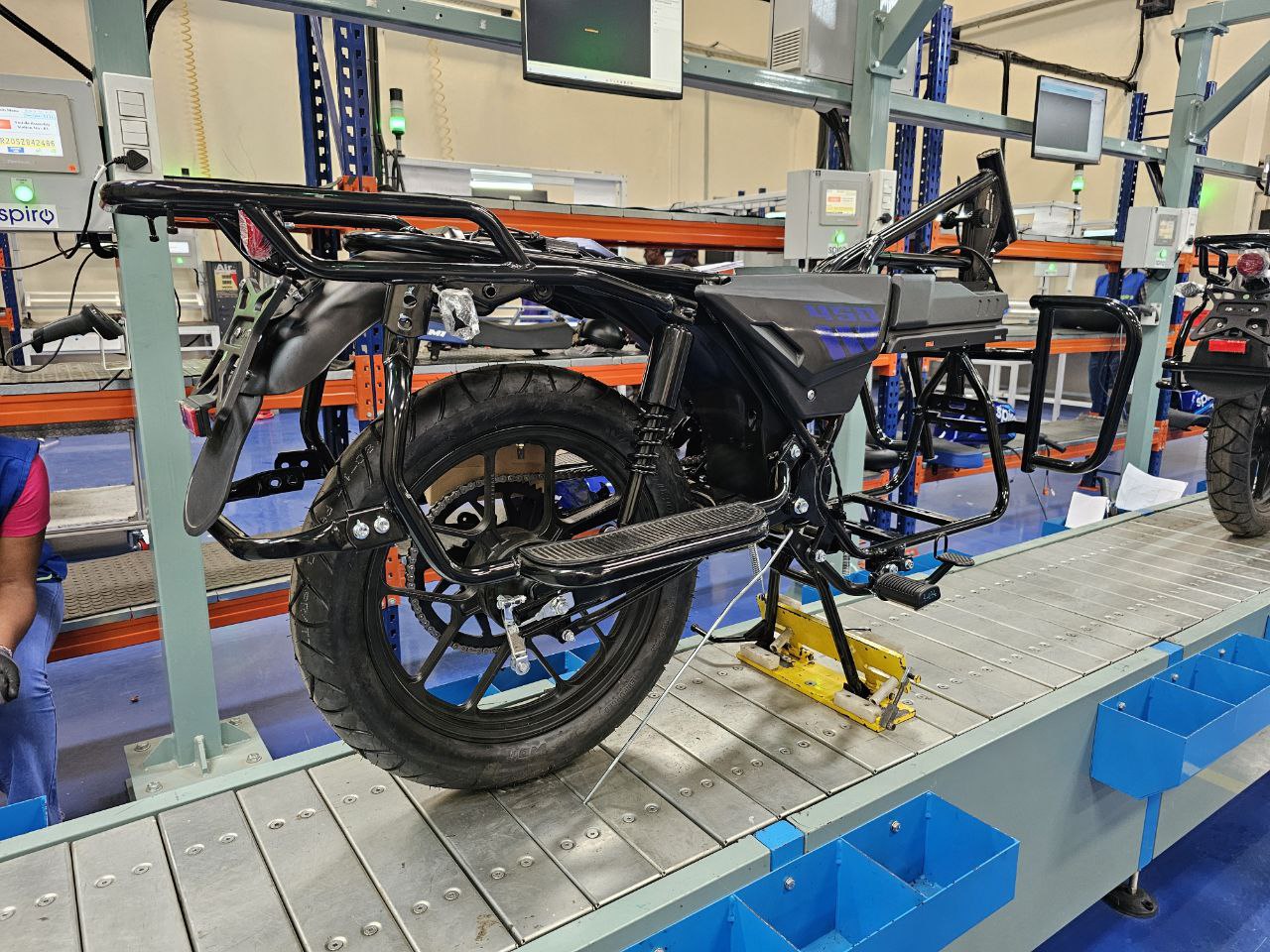
Spiro, the electric mobility company with an operational hub in Kenya, has raised $50 million in debt financing, taking a leaf from the playbook of asset-heavy businesses with logistics operations. Flush with capital, including its $100 million raise in October 2025, the company plans to expand across the continent.
Since 2020, Spiro has announced several fundraises totalling $330 million in debt and equity financing. For the kind of business the e-mobility startup runs, Spiro deploys debt for operational expenses tied to predictable, revenue-linked assets, such as warehousing and dealership lots, allowing it to pay back loans when there's a break-even.
Equity capital allows the company to absorb marginal losses on its production capacity (patient capital), fund research and development (R&D), and hire more talent—costs that do not guarantee immediate revenue but bring long-term scale. A debt-only funding shows Spiro's business maturity and capacity for immediate revenue generation.
Since its founding in 2019, Spiro has expanded to multiple African countries, including Kenya, Uganda, Rwanda, Nigeria, Benin, and Togo, and now controls 40 dealerships on the continent. The company deploys over 80,000 e-bikes across Africa, after scaling its manufacturing capacity to support this. Its Kenyan facility alone is capable of producing 50,000 units annually.
This is a major comeuppance from Spiro's early days. In January 2024, Spiro had deployed only 10,000 e-bikes in far fewer African markets. Today, the company, one of the most visible e-bike producers on the continent, now has the production scale and infrastructure to match; Spiro operates at least 2,500 battery-swapping stations in Africa, giving riders proximity to access.
While debt financing will power further growth for Spiro's expansion plans, some of the capital could trickle to manufacturing. Much of its kit is still being manufactured in China and shipped to Africa as completely-knocked-down (CKD) units, and partially, semi-knocked-down (SKD) assembly.
With deeper capital, is Spiro finally ready to build Africa's e-mobility future from the ground up, where it can control its production line, supply, and cost margins? The answer is likely not, but more money coming into the ecosystem is always a great signal for posturing.


We are expanding across Africa!
Fincra is expanding across Africa, building the financial infrastructure that powers Africa's cross-border payments. Build with us. Explore open roles.
Regulation
Kenya’s central bank to review laws
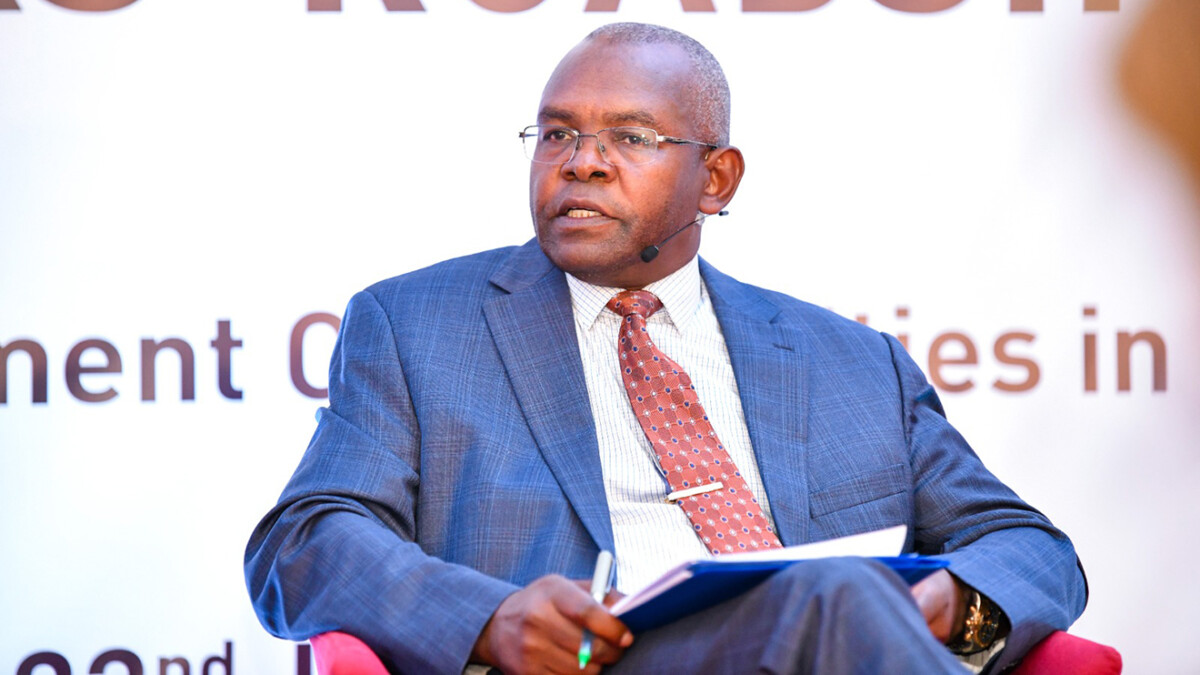
The Central Bank of Kenya (CBK) has signalled that it may be preparing a massive regulatory reset in Kenya’s financial sector. The regulator has invited consultants to review the Central Bank Act and the Banking Act, the two laws that define the bank's powers, including what it can regulate and how it can do that.
Why is the CBK doing this? Kenya's fintech ecosystem has outgrown the law. Digital lenders were only brought formally under supervision in 2022 after public outrage, and payments and remittance startups often operate under patchwork approvals. This review seems like an attempt to close those grey areas fintechs operate in before they widen further.
What grey areas? CBK regulates banks and digital lenders. But fintechs that don’t quite fit into those buckets of direct transfers or withdrawals, like remittance startups, are on a collision course. The consequences are evident in delays in licencing firms like Chipper Cash, frozen accounts by agencies such as the Financial Reporting Centre and Asset Recovery Authority, and, in 2022, a directive ordering banks and mobile money operators to cut links with certain fintechs operating without authorisation.
Is this the same as the payment licence move? In 2024, Kenya opened up more clearly to fintech payment licences under existing frameworks. That was a step, but this new review goes deeper. If implemented, updated laws could expand CBK’s mandate over fintech supervision and may introduce clearer licencing pathways and compliance requirements tailored specifically to fintech business models.
The Smarter Way to Save

At PalmPay, we don’t just talk about financial inclusion, we drive it by upskilling and empowering women for real careers in tech. Apply for Purple Woman 2026 and become one of 150 women equipped with the skills, experience, and opportunity to thrive. Learn more.
Banking
Kenya fines GTBank $257,000 over corporate lending misconduct
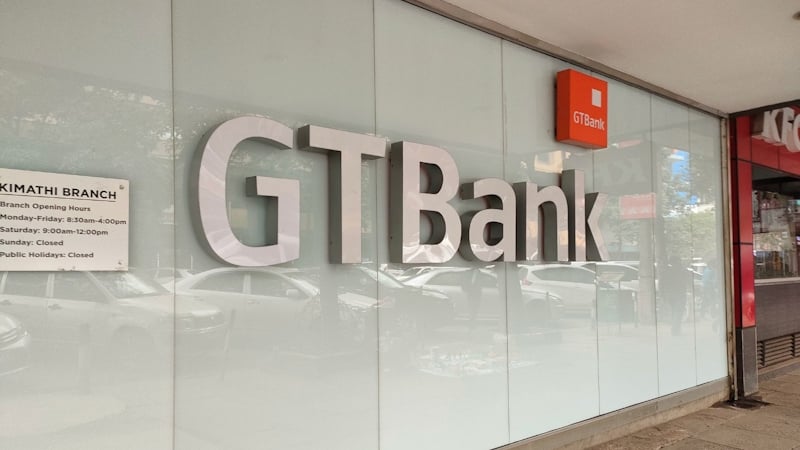
Fines in Kenya’s banking sector are not routine, at least not at scale. In 2024, the Central Bank of Kenya (CBK) fined 11 commercial lenders for breaches tied to lending, capital adequacy and governance, collecting KES 191 million ($1.48 million) in penalties; before that, the last major public sweep was in 2018, when five big banks were hit with KES 392.5 million ($3 million) in fines over the National Youth Service scandal.
Guaranty Trust Bank Kenya (GTBank Kenya), the subsidiary of the Nigerian tier-1 lender, has found itself in regulatory crosshairs.
On Tuesday, the Competition Authority of Kenya (CAK), the country's competition watchdog, fined GTBank Kenya KES 33.18 million ($257,000) and ordered the bank to refund KES 13.21 million ($102,000) to ASL, its corporate client since 2001.
The regulator is sending banks a blunt memo: how you treat a locked‑in corporate borrower is now a competition issue, not just a contractual spat.
Between the lines: The case began as a routine renewal of 2021 facilities: overdrafts, letters of credit, guarantees, working‑capital lines. Instead, ASL was met with months of silence, a three‑month stopgap extension, reduced limits (one trading line cut from $5.5 million to $3.5 million and later slashed by another $3 million), and fresh security demands.
When ASL decided to move to I&M Bank, another Kenyan lender, GTBank issued a default notice, backdated default interest to August 2023, and levied KES 13.2 million ($102,000) in charges as the client scrambled to clear overdrafts of KES 417.8 million ($3.2 million) and $197,802 to avoid disruption.
In its ruling, CAK’s language is damning: “false and misleading representations,” “unconscionable conduct,” and abuse of “superior bargaining power” by presenting materially-altered terms as standard renewals.
GT Bank insists everything sat within its offer letters and risk appetite. CAK’s response is the real story: in a market where the CBK usually polices capital and prudential risk, competition law is now being weaponised to police process, leverage, and opacity in corporate lending.
If this precedent holds, banks’ once‑discreet restructuring tactics may start reading like case studies for regulators and rival lenders.
Join the second edition of The Citizen Townhall
Tech is political!
Political decisions shape and reshape the tech landscape every single day. So here’s the big question: Who gets to shape our lives and what can we do about it?
That’s the conversation we’ll be having at the second edition of The Citizen Townhall; on February 28, in Lagos. Join the conversation. Register now for FREE.
Banking
Only 20 Nigerian banks have met new capital requirements
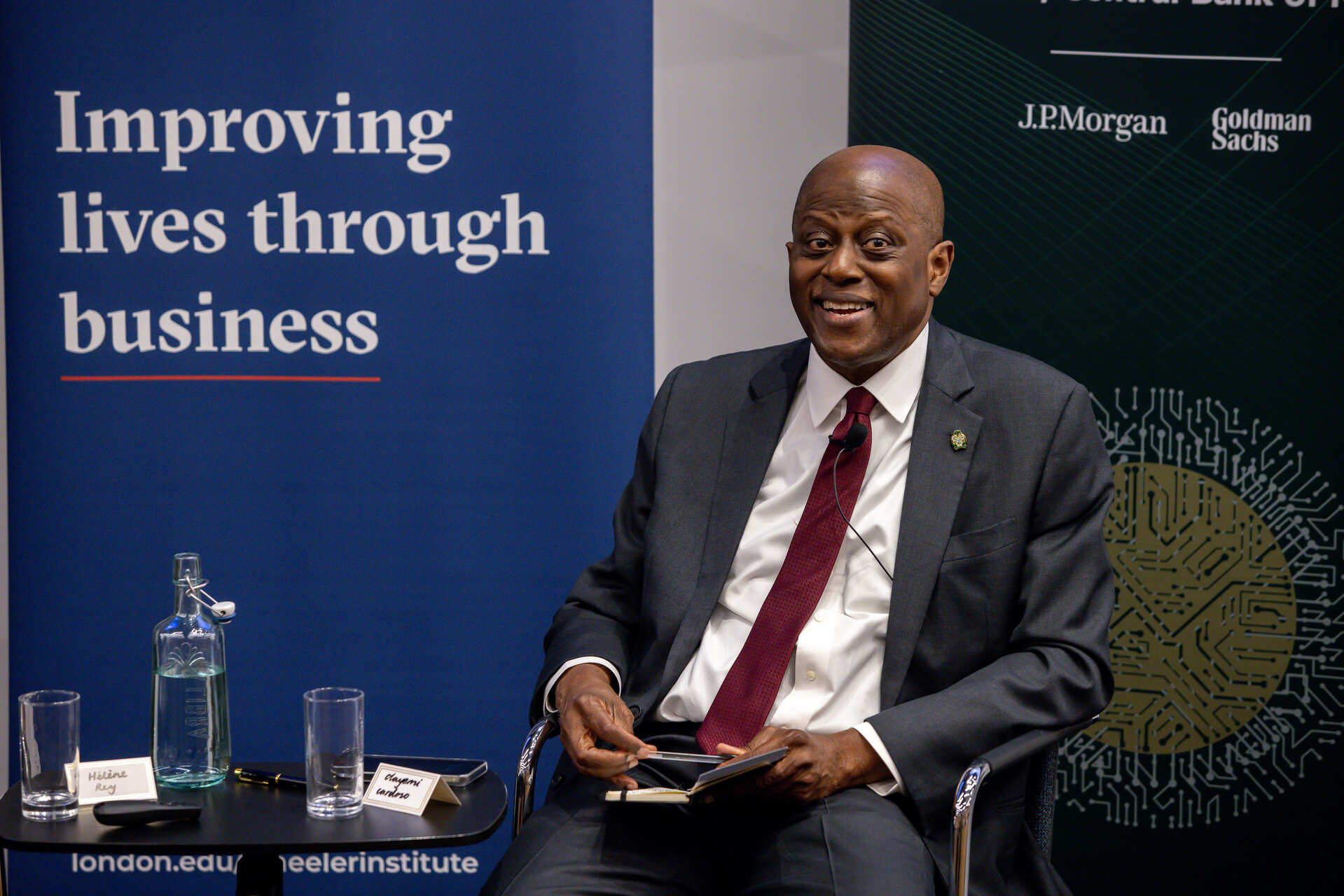
With less than six weeks to the March 31 deadline, only 20 of 33 deposit money banks have hit the Central Bank of Nigeria’s (CBN) new minimum capital thresholds, Governor Olayemi Cardoso said on Tuesday during the Monetary Policy Review (MPR) press briefing.
With new recapitalisation rules, this is likely the biggest financial operations clean-up since the Soludo-era.
Catch up: The last big clean-up—under then-CBN governor Charles Soludo between 2004–2005—took minimum capital from ₦2 billion (*$15.6 million at the time) to ₦25 billion (*$195 million) and collapsed 89 banks into about 25 through hurried mergers and outright failures. That exercise produced fatter balance sheets and fewer zombie lenders, but it also concentrated the market and didn’t stop governance blow‑ups later on.
Between the lines: Well‑capitalised tier‑one banks have already raised billions and will likely stroll over the line; the real pressure is on small and mid‑tier lenders that must now choose between three bad options: raise expensive equity in a thin market, accept a downgrade to regional status, or submit to a merger on someone else’s terms.
Zoom out: What happens after March 31 is where it gets interesting. A narrower field of stronger banks could finally support bigger tickets—refineries, infrastructure, large corporates—without leaning on development finance every time.
But there is also a familiar risk: that recapitalisation becomes an accounting exercise, delivering prettier capital ratios, while credit to the real economy remains as shallow, short‑tenor, and selective as ever.
CRYPTO TRACKER
The World Wide Web3
Source:

Coin Name | Current Value | Day | Month |
|---|---|---|---|
 Bitcoin Bitcoin | $65,469 | + 3.46% | - 25.27% |
| Ether | $1,908 | + 4.21% | - 33.38% |
| Dent | $0.00001850 | + 51.94% | + 0.87% |
| Solana | $81.96 | + 6.77% | - 33.06% |
* Data as of 06.00 AM WAT, February 25, 2026.
Events
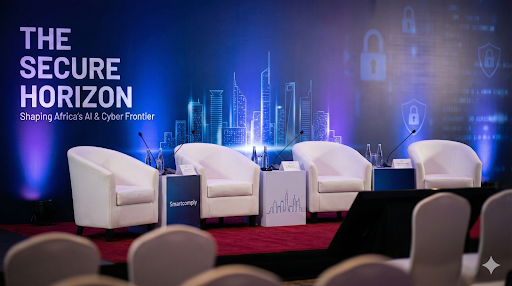
- East Africa’s digital economy is scaling fast, but cyber resilience isn’t keeping up. On February 26, in Nairobi, Smartcomply will host The Secure Horizon Executive Breakfast, an invitation-only forum bringing together senior leaders across finance, fintech, tech, and regulation to confront the widening gap between AI-driven growth and operational security. The closed-door gathering will feature keynote insights on AI-accelerated cyber risk, a regulatory fireside chat, and the launch of a new research report developed with TechCabal Insights, exploring how evolving threats are reshaping East Africa’s digital trust architecture. Learn more and register here.

Written by: Opeyemi Kareem and Emmanuel Nwosu
Edited by: Emmanuel Nwosu & Ganiu Oloruntade
Want more of TechCabal?
Sign up for our insightful newsletters on the business and economy of tech in Africa.
- The Next Wave: futuristic analysis of the business of tech in Africa.
- Francophone Weekly by TechCabal: insider insights and analysis of Francophone’s tech ecosystem
P:S If you’re often missing TC Daily in your inbox, check your Promotions folder and move any edition of TC Daily from “Promotions” to your “Main” or “Primary” folder and TC Daily will always come to you.

How did you find today's edition of #TCDaily? |