- 👨🏿🚀TC Daily
- Posts
- EVs crash SA’s road fund
EVs crash SA’s road fund
Inside: DR Congo unveils digital ID system.

Opeyemi Kareem
June 15, 2026


Good morning ☀️
What does it mean to be a trillionaire in dollars? Until recently, it was inconceivable for most people, but not all. The SpaceX IPO made a lot of people very financially happy, but it made one man—Elon Musk—wealthy beyond what a good chunk of the earth’s inhabitants can conceive. One question I have: what’s he going to do with all that money? What can anyone do with all that money?
It’s a good reminder to lock in this week: you won’t become a trillionaire, but maybe you can hustle towards millionaire status.
—Zia
Get smarter about Francophone Africa with our newsletter, Francophone Weekly—the startups, tech policies, and institutions building the pipelines for ecosystem growth.

government
The DRC is giving citizens a single digital identity
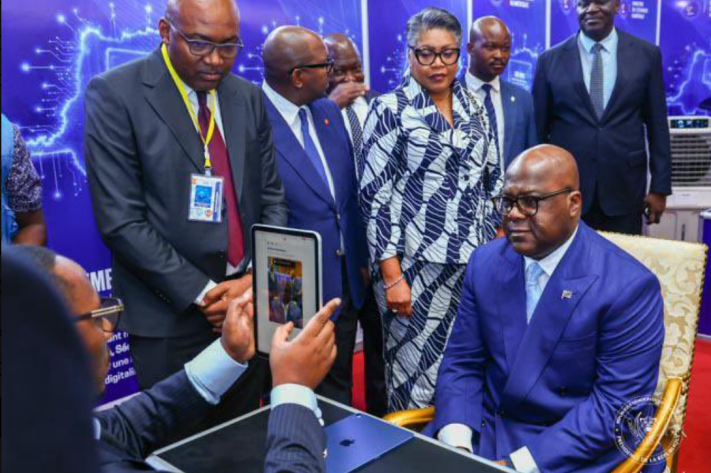
The Democratic Republic of Congo (DRC) has launched RDC-PASS, a new system that gives citizens a single digital identity they can use across government services, banks, mobile networks, and other institutions.
Today, proving who you are in many African countries can be surprisingly difficult. You might need one document to register a SIM card, another to open a bank account, and another to access a government service. Worse, about 542 million people have no formal identification, per the United Nations.
The DRC wants to change that.
With RDC-PASS, citizens will receive a unique digital identity that can be used to verify who they are across different services. The government says this should make it easier to access public services, reduce fraud, and help more people participate in the formal economy.
Explain like I'm new here: Think of RDC-PASS as a single username for life. Instead of repeatedly proving who you are to different organisations, one verified identity can be recognised by banks, telecom companies, and government agencies.
The DRC is not the first African country to try this. Nigeria has spent years rolling out its National Identification Number (NIN), while Kenya has built many government services through its eCitizen platform, which citizens use to access everything from passport applications to business registration. Across the continent, governments see digital IDs as the foundation for delivering services online.
But there is another side to the story. RDC-PASS will be operated through a 20-year partnership with Trident Digital Tech, a Singapore-based company. That raises questions about where citizens' data will be stored, who controls it, and how that information will be protected over time.
Who loses? Anyone concerned about privacy may worry about so much personal information being linked together in one system.
Who wins? Citizens who currently struggle to access services because they cannot easily prove their identity could find many everyday processes becoming faster and simpler.
The bigger story is that digital IDs are becoming essential infrastructure that plays a huge role in getting everybody to use tech—critically, fintech and banking services. Just as countries once built roads and power grids, many are now building systems that help people prove who they are in a digital economy.


We Have Secured the Bank of Ghana EPSP Licence.
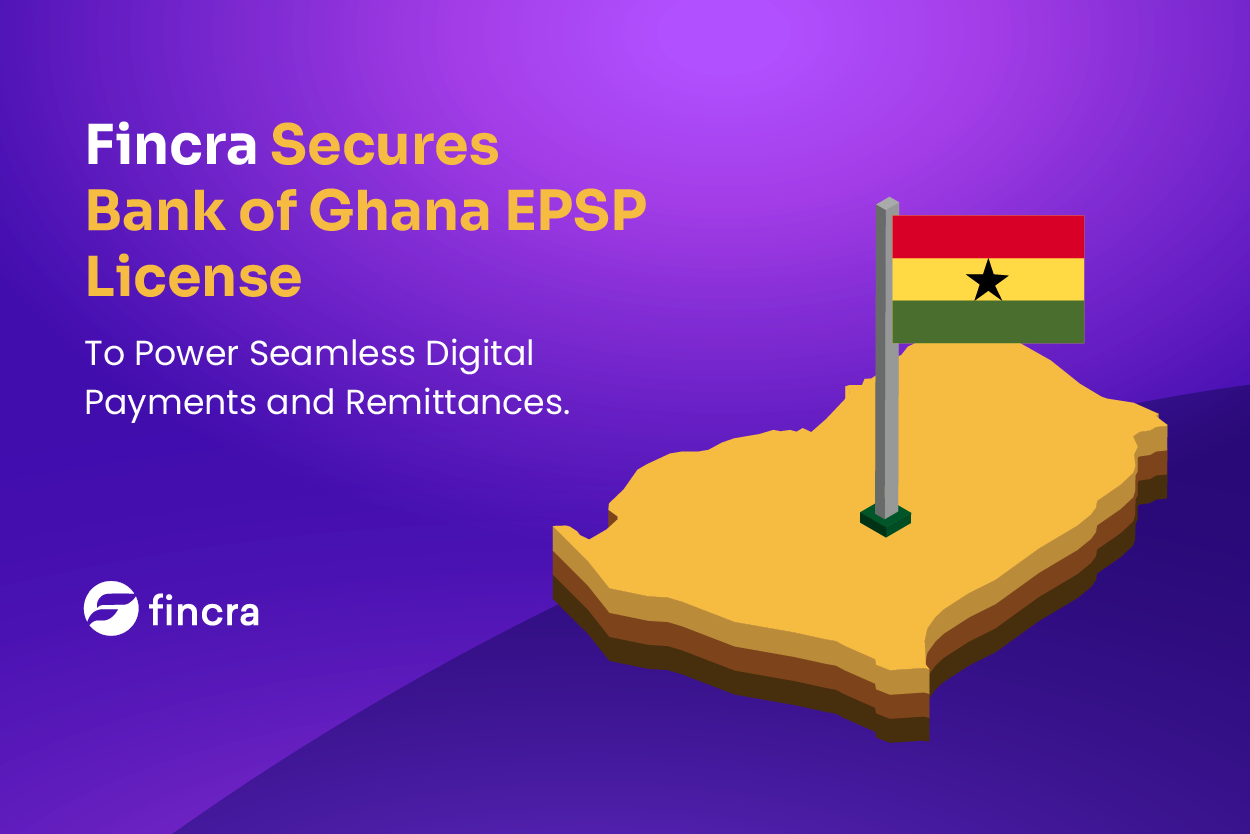
Fincra has officially secured its Enhanced Payment Service Provider licence. This regulatory milestone authorizes Fincra to directly collect, process, and settle payments in Ghanaian Cedis, offering a highly streamlined financial pipeline for businesses operating within the region. Start here.
mobility
South Africa could introduce a new licence renewal fee for all motorists
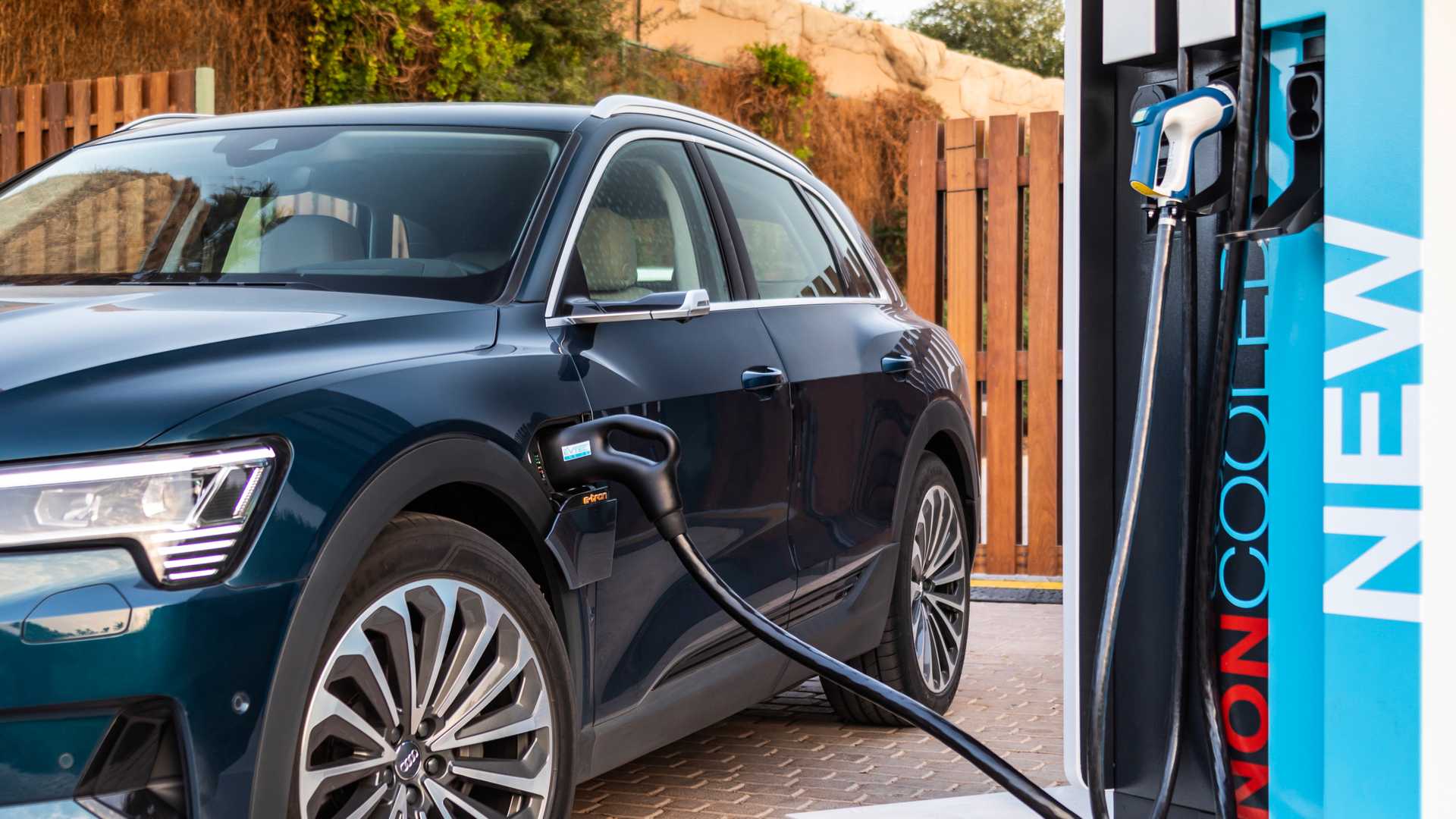
South Africa has a problem. The fund that pays compensation to people injured in road accidents is running out of money.
For years, the system was simple. Every time you bought petrol or diesel, a small levy was added to the price. That money flowed into the Road Accident Fund (RAF), which helps cover medical costs, lost income, and other expenses for accident victims.
Now, the government says that the model is under pressure. As more drivers switch to electric vehicles (EVs), fewer litres of fuel are sold. Fewer litres sold means less money flowing into the RAF. To prepare for that future, Transport Minister Barbara Creecy is proposing a new fee that motorists would pay when renewing their vehicle licence discs.
Explain like I'm new here: The Road Accident Fund (RAF) is a government-backed fund that compensates people who are injured in road accidents or lose income because of them. It is funded through a levy added to every litre of petrol and diesel sold in South Africa.
Whether or not South Africans should be paying another fee at all depends on how you rate the fund’s usefulness. In 2024, RAF paid out R45.6 billion ($2.8 billion) in claims, showing how much South Africa relies on the RAF to support accident victims.
Yet, critics of the proposal, including the Automobile Association of South Africa (AA), argue that the RAF's financial troubles have more to do with inefficiency and years of operational problems than electric vehicle adoption, which remains relatively low in the country.
But there is a bigger story here. Governments build public services around predictable behaviours. People buy fuel, so governments tax fuel. People make phone calls, so governments tax telecoms activity. People earn salaries, so governments collect income tax. The problem is that technology changes behaviour. EVs are not just changing how people drive; Creecy thinks they are weakening one of the systems used to fund an important public service.
Who loses? South African motorists could end up paying more to support a system they already contribute to through fuel levies.
Who wins here? Policymakers may have found a way to protect a critical source of public funding before electric vehicles begin to reduce fuel tax revenues more significantly.
Whether this proposal succeeds or not, it points to a challenge governments around the world will face: when technology makes an old tax model less effective, where does the replacement money come from?
Kora joins IATA's Financial Gateway
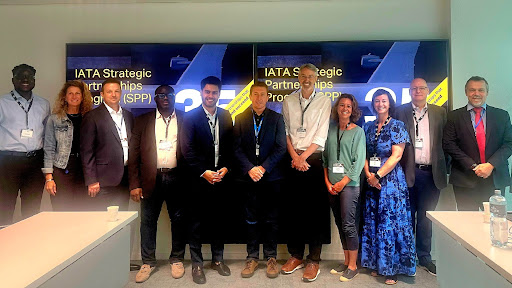
Kora joins IATA's Financial Gateway, giving global airlines a single connection to Africa's payment infrastructure. Read more:
countries
Fuel prices have fallen in Kenya. Barely.
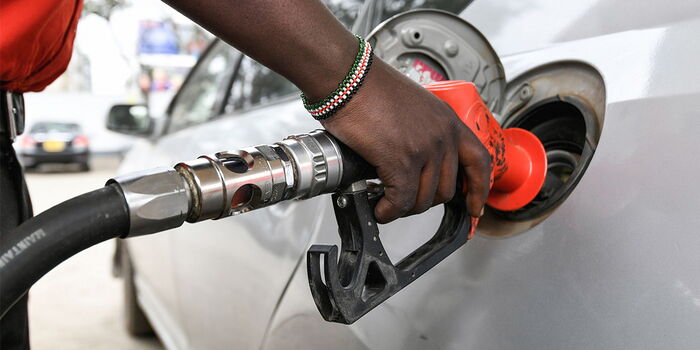
Kenyan motorists are getting a fuel price reduction this month. The catch is that many of them may not notice it.
The country’s Energy and Petroleum Regulatory Authority (EPRA) has reduced the price of petrol by KES 0.22 ($0.0017) per litre and diesel by KES 10 ($0.08) per litre for the June-July pricing cycle. In Nairobi, petrol will now sell for KES 214.03 ($1.65) per litre, while diesel will cost KES 222.86 ($1.72).
A drop of KES 0.22 ($0.0017) is so small that many Kenyans reacted with disbelief online. After months of high fuel costs that culminated in strikes, the announcement felt less like relief and more like a rounding error.
Explain like I'm new here: Fuel prices in Kenya are regulated. Every month, EPRA reviews global fuel prices, exchange rates, taxes, and subsidies before setting the maximum amount petrol stations can charge consumers.
Fuel remains one of the most important inputs in a modern economy. It affects the cost of transportation, food, logistics, ride-hailing, deliveries, and even Internet infrastructure. Data centres need power. Telecom towers need power. People move around; goods ordered online still need to be moved physically, affecting everything from e-commerce to ride-hailing.
To keep prices lower than they otherwise would be, the Kenyan government said it will spend about KES 10.3 billion ($79 million) from a fuel subsidy fund during the current pricing cycle, which ends on July 14. In other words, Kenyan motorists are paying (slightly) less at the pump today because the government is paying part of the bill instead.
Who loses? Taxpayers ultimately fund subsidies, even when the costs are not immediately visible.
Who wins here? Kenya's government buys itself time. By using subsidy funds to cushion fuel prices, it can ease pressure on households and businesses without exposing them immediately to higher global oil costs.
Yet, a 22-cent reduction will not change anyone's life. But it is a reminder that the cost of moving people, goods, and services through an economy still depends heavily on what happens in global energy markets.
Naira Life 2026 is here!

The theme for this year's Naira Life Conference by Zikoko is "All About Wealth."
Join 2,000+ in Lagos on August 22 for a day of practical money conversations and workshops designed to move you from simply earning an income to building lasting wealth. Get 15% off early bird tickets.
countries
Gabon is spending $133 million on its digital economy
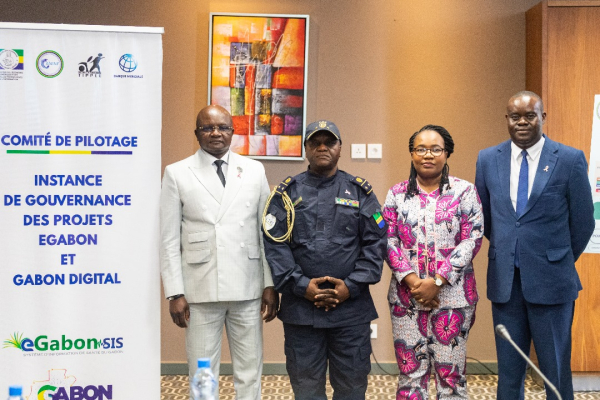
Money talks. Governments talk too. The interesting question is what governments spend money on when trying to shape a country's future. Gabon wants to prove that.
The country has earmarked XAF 82 billion ($133 million) for technology and digital infrastructure in 2026 as part of a broader plan to make the digital economy a bigger part of national development.
That money will go into expanding Internet infrastructure, digitising government services, strengthening cybersecurity, and supporting startups and innovation programmes.
Explain like I'm new here: When governments talk about a “digital economy,” they mean all the ways technology helps people work, do business, access services, move money, and create new companies. The better the digital infrastructure, the easier it becomes for businesses and citizens to participate in the economy.
Gabon is not starting from scratch. The country has already launched programmes aimed at expanding digital payments and financial inclusion. But Internet penetration remains at 71.9%, according to Datareportal—not the worst outcome, but Gabon wants more. That figure means that a little below a third of the country’s population is still disconnected from many of the opportunities that come with being online.
The bigger story here is that technology spending is being treated like road building or power generation. A decade ago, governments announced new airports, bridges, and highways. Today, many are announcing fibre networks, digital identity systems, and online government platforms.
Who loses? Taxpayers could ultimately bear the cost if these projects fail to deliver meaningful improvements in connectivity, jobs, or public services.
Who wins here? Entrepreneurs, technology companies, and citizens who currently struggle with limited access to digital services stand to benefit if the investments are executed well.
For Gabon, this is a bet that future economic growth will depend as much on digital infrastructure as on physical infrastructure.
Showcase Your Brand at Moonshot by TechCabal

Founders. Investors. Policymakers. Enterprise leaders. Moonshot 2026 brings together the people shaping Africa’s technology ecosystem across AI, commerce, climate, enterprise, and culture. Spotlight your brand today.
CRYPTO TRACKER
The World Wide Web3
Source:

Coin Name | Current Value | Day | Month |
|---|---|---|---|
 Bitcoin Bitcoin | $65,731 | + 2.27% | - 16.75% |
| Ether | $1,717 | + 2.64% | - 22.78% |
| XRP | $1.18 | + 3.55% | - 16.74% |
| Solana | $71.07 | + 4.42% | - 19.67% |
* Data as of 06.34 AM WAT, June 15, 2026.
JOB OPENINGS
- Kredete — Blockchain Engineer — Lagos, Nigeria
- BBC — Video Journalist, BBC News Igbo — Lagos, Nigeria
- Bank of Taiwan, South Africa —Chief Risk Officer — Gauteng, South Africa
- Busha— Senior Backend Engineer — Hybrid (Lagos, Nigeria)
- M-KOPA— Group Tax Manager, Finance Business Partnering Manager — Nairobi, Kenya
- Britam— Quality Assurance Officer — Nairobi, Kenya
- IQVIA— Senior Statistical Programmer — Nairobi, Kenya
- Realist Optimist— Correspondent Writer — Not specified
- Communiqué— Reporter, Creative Economy & Media Business — Remote (Nigeria)
Looking for more opportunities? There are additional openings on TechCabal’s job board. We've also cleared out outdated listings to keep opportunities fresh for job seekers. If you're hiring and would like to feature an open role, please submit it via this form.

Written by: Opeyemi Kareem and Zia Yusuf
Edited by: Emmanuel Nwosu and Ganiu Oloruntade
Want more of TechCabal?
Sign up for our insightful newsletters on the business and economy of tech in Africa.
- The Next Wave: futuristic analysis of the business of tech in Africa.
- Francophone Weekly by TechCabal: insider insights and analysis of Francophone’s tech ecosystem
P:S If you’re often missing TC Daily in your inbox, check your Promotions folder and move any edition of TC Daily from “Promotions” to your “Main” or “Primary” folder and TC Daily will always come to you.

Did today's TC Daily help you understand something new? |